Offshore Floating Wind Solutions
TechnipFMC delivers integrated floating wind solutions using a system-level approach that aligns engineering, procurement, construction, and installation from the start.





Why system integration matters
Offshore floating wind projects are inherently complex. Multiple contractors, disconnected engineering decisions, and late-stage integration often lead to challenges.
Challenges include:
- Interface risk between cables, moorings, and anchors
- Misalignment between engineering and installation
- Late-stage design changes
- Reduced schedule reliability
A system-level approach addresses these challenges by aligning design, engineering, and execution from the start—before constraints are locked in.

What is Water Column iEPCI®?
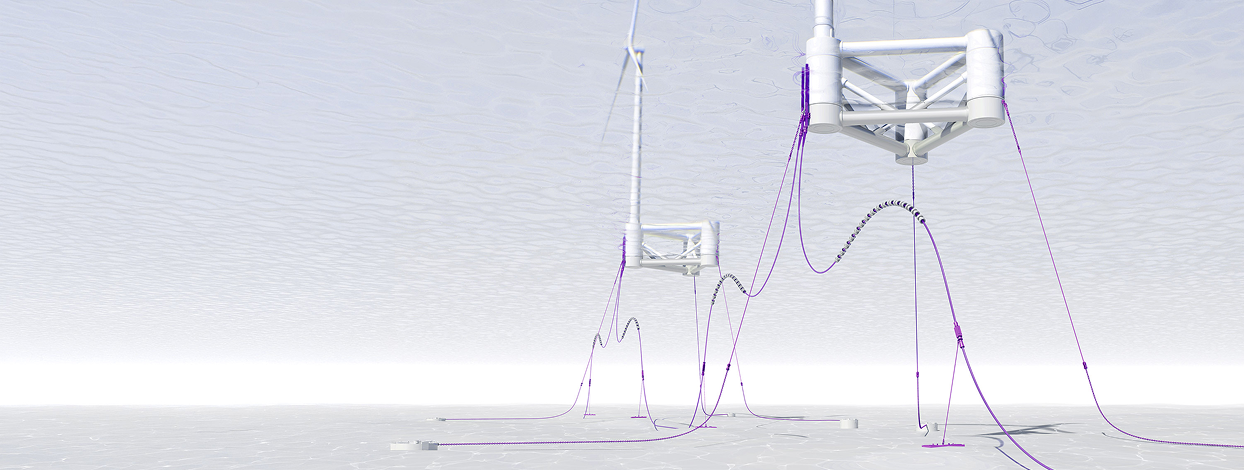
Water Column iEPCI is TechnipFMC’s integrated engineering, procurement, construction, and installation (EPCI) model for offshore floating wind that treats the full vertical system—from seabed to water surface—as a single, co-engineered scope.
How Water Column iEPCI Works
Water Column iEPCI integrates:



Dynamic Inter-Array Cable
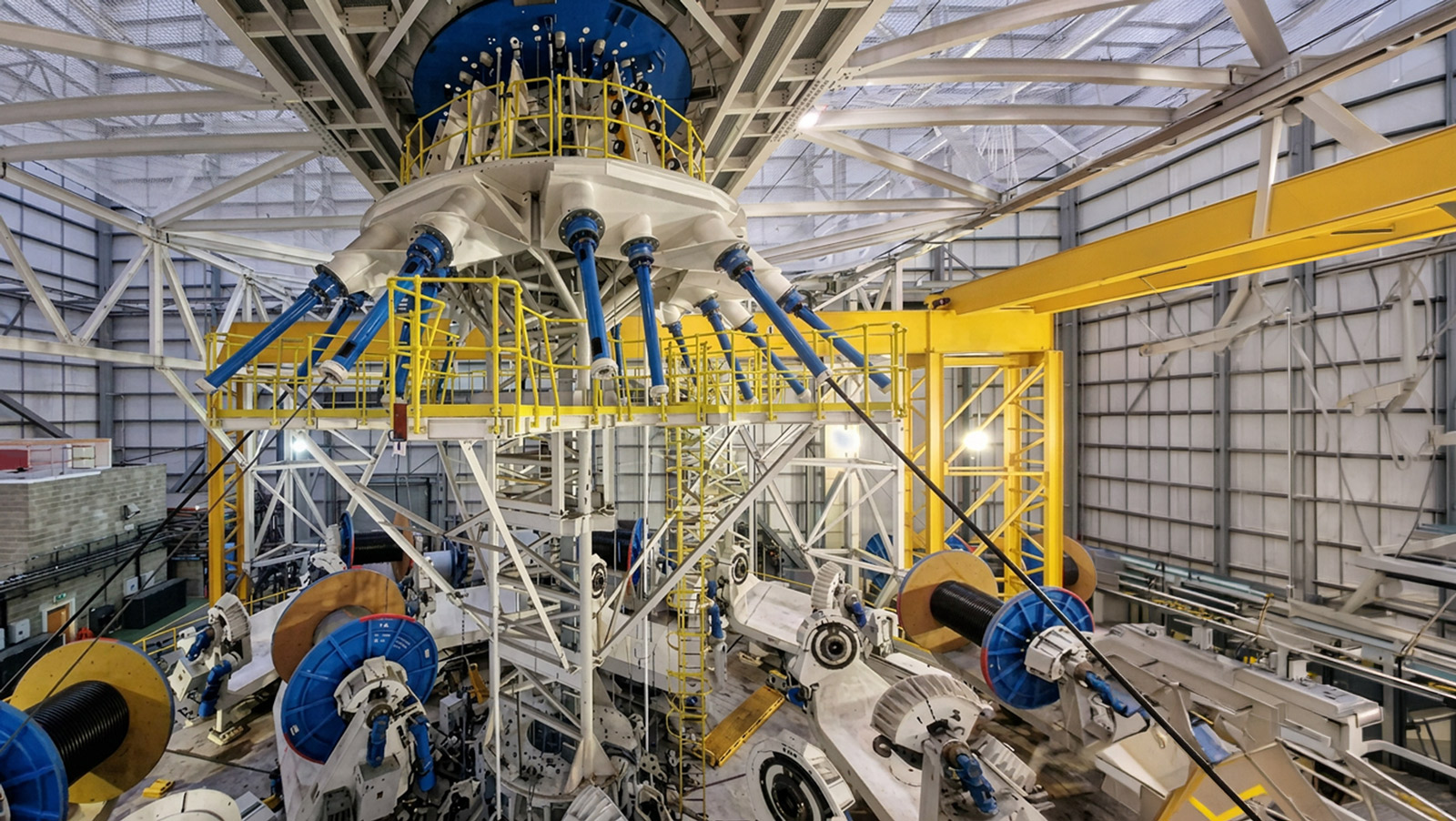
Our Newcastle, UK, facility manufactures our 66kV dynamic inter-array cable (DIAC) for floating wind, designed to support high-motion offshore environments and integrate seamlessly within our Water Column iEPCI offering.

TechnipFMC collaborates with global cable solutions provider Prysmian to support a fully optimized water column solution from seabed to surface to shore. By integrating our complementary capabilities from the beginning, we can further minimize risks and scheduling uncertainty and deliver a reliable system.
Aligned for the full floating wind lifecycle
Early Engagement
Support decision making
- Designs across the full water column
- Aligns system design with installation strategy
- Evaluates trade-offs at system level
- Clarifies cost and schedule implications early
System Engineering + Project Management
Engineer for delivery
- Develops a more bankable project basis
- Aligns engineering with delivery strategy and offshore constraints
- Carries continuity from FEED into execution
- Limits late-stage architectural change
Procurement + Fabrication
Coordinate partners and supply chains
- Connects procurement to the integrated system design
- Improves supply chain readiness early
- Supports coordinated fabrication and manufacturing
- Reduces interface risk across suppliers
Offshore Installation
Execute as one system
- A single integrated scope minimizes handovers between contractors
- Plans installation around system connectivity and vessel efficiency
- Improves constructability by aligning design with offshore realities
- Supports more reliable schedule performance
Commissioning
Carry certainty to first power
- Builds commissioning into the delivery model from day one
- Improves readiness across final delivery stages
- Reduces coordination risk at project handover
- Supports a faster path to first power
Scale-up
Move from one-off projects to repeatable & scalable
- Enables more repeatable project delivery
- Supports portfolio-scale development
- Improves predictability as programs grow
- Creates a foundation for industrialized floating wind deployment
Built on Offshore Experience
As the only fully integrated subsea operator, TechnipFMC brings expertise backed by real-world results.
50+
Years
of subsea experience
35k+
kilometers
of subsea risers installed
3,000
meters
successful project execution depth
Frequently Asked Questions About Offshore Floating Wind Integration
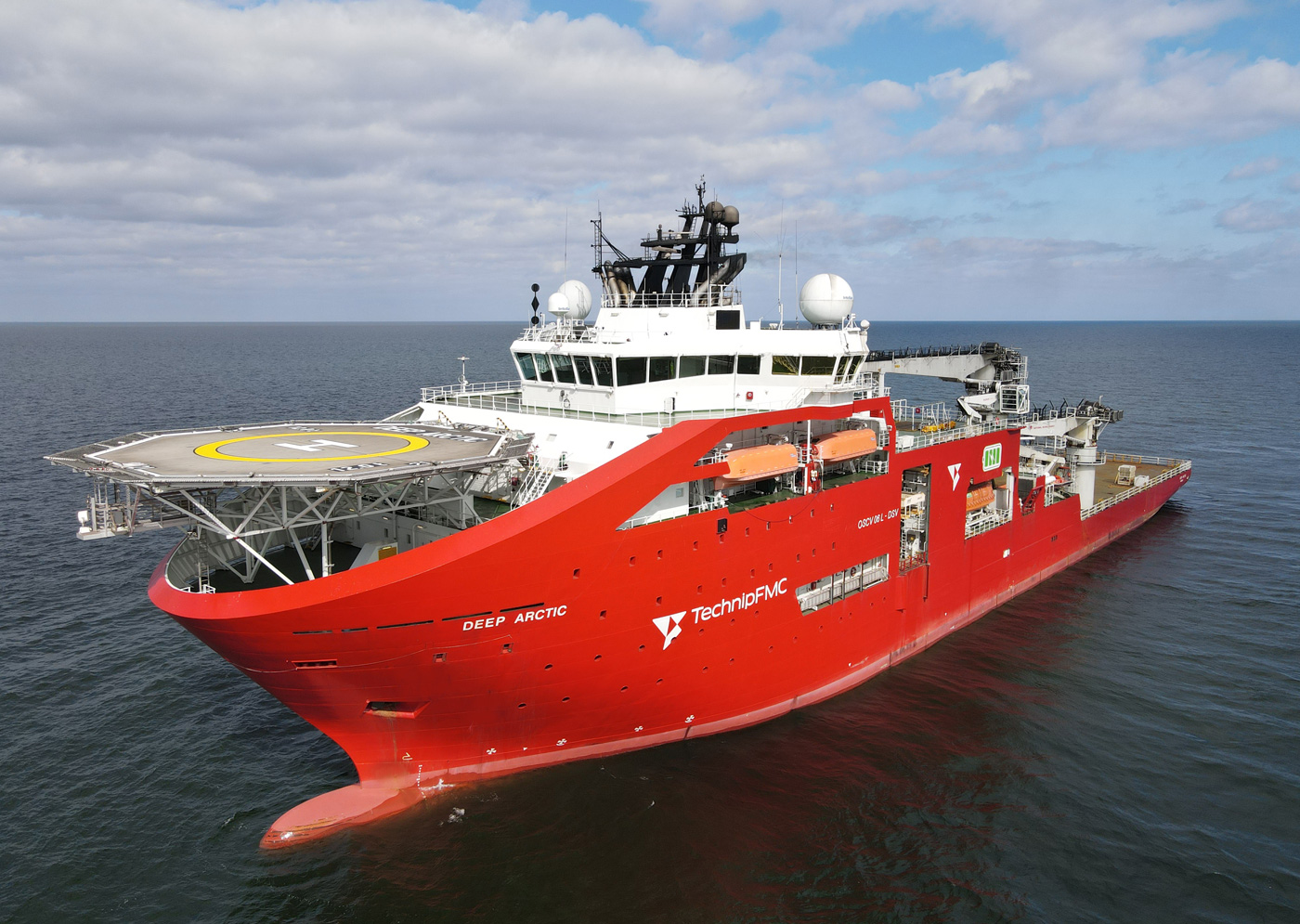
iEPCI stands for integrated engineering, procurement, construction, and installation. In floating wind, it refers to delivering key system components, such as cables, moorings, and anchors through a single integrated contract.
Floating wind systems are highly interdependent. Integrating design and execution across cables, moorings, anchors, and installation reduces interface risk, improves constructability, and enhances schedule reliability. By applying system logic, we include real-world insights for each project to eliminate every possible roadblock to full optimization.
Key risks include:
- Multiple contractors across an interdependent system
- Late-stage design changes
- Installation constraints not considered early
- Weather-related delays
Integrated approaches address these risks by aligning engineering and execution from the outset.
TechnipFMC reduces risk by:
- Delivering integrated scopes as one project
- Aligning engineering with installation early
- Designing systems as a whole to prevent component interface failures and reduce late-stage rework